
basics
How Much Do Dumpster Rentals Cost in 2026?
Dumpster rentals typically cost $250–$850 for a 7-day rental. See 2026 prices by size (10–40 yard), what drives the final bill, common hidden fees, and how to get an accurate local quote.
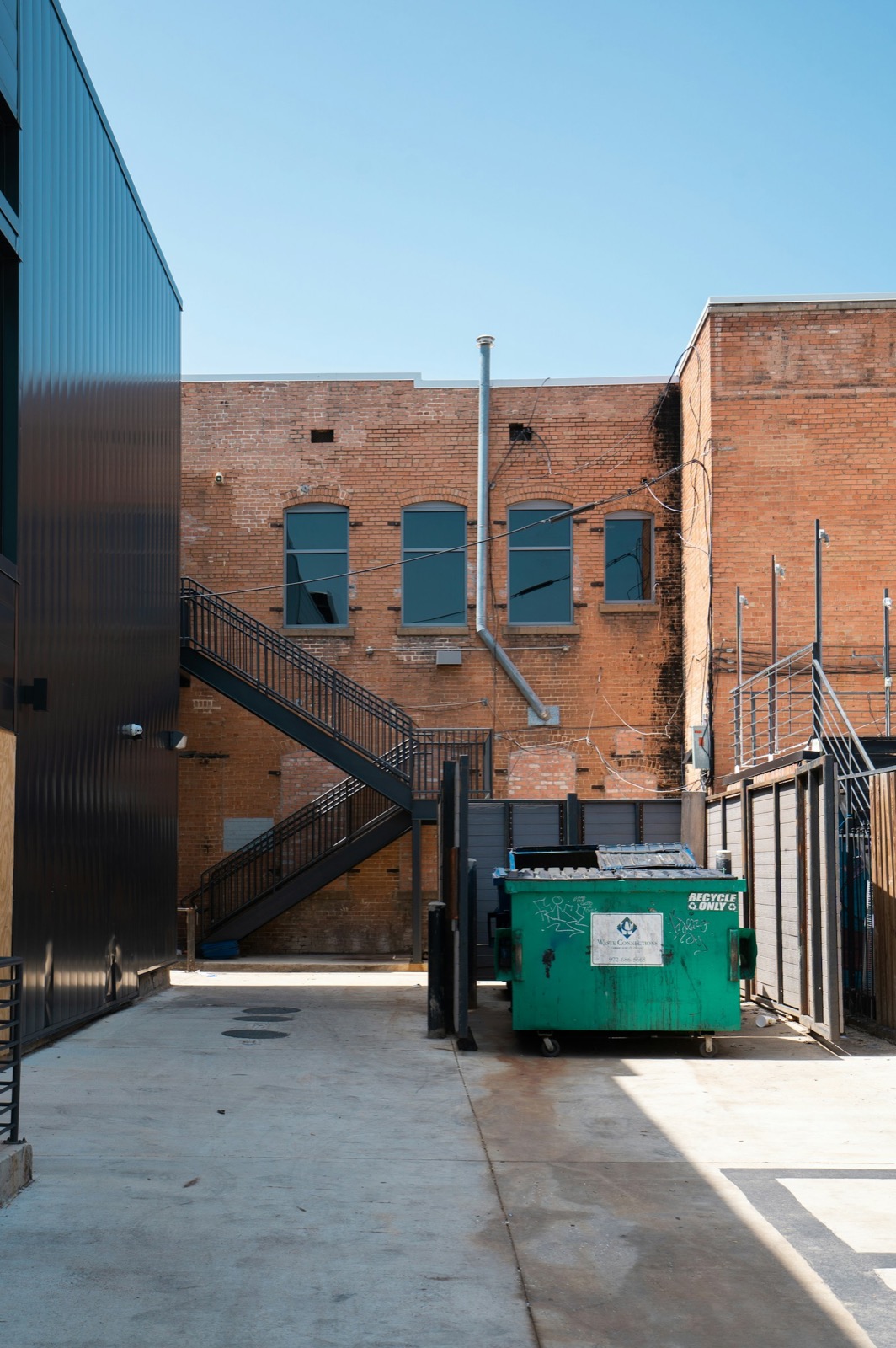
Most roll-off dumpster rentals cost between $250 and $850 for a standard 7-day period that includes delivery, pickup, and a set weight allowance. The national average for a popular 20-yard container lands roughly in the $350–$550 range, but your actual price depends far more on size, location, debris type, and weight than on any single “average.”
National figures are useful for budgeting. They are rarely what appears on the final invoice. The difference usually comes from weight overages, local landfill fees, permits, and rental length. For a deeper breakdown of every line item, see our guide to dumpster rental cost factors.
Dumpster Rental Prices by Size (2026 National Ranges)
| Size | Typical 7-Day Price | Weight Usually Included | Best For |
|---|---|---|---|
| 10-yard | $250–$450 | 1–3 tons | Garage/basement cleanouts, small bathroom remodels, yard debris |
| 15–20-yard | $350–$550 | 2–4 tons | Kitchen/bath remodels, roofing, whole-room cleanouts (most popular residential size) |
| 30-yard | $450–$700 | 3–5 tons | Large renovations, estate cleanouts, new construction |
| 40-yard | $550–$850+ | 4–6+ tons | Commercial jobs, major demolition, large lightweight debris |
These ranges reflect 2026 data from multiple rental providers and market surveys. Prices run higher in high-cost metros (Northeast, California coastal areas) and lower in many rural or Midwestern markets. A 20-yard dumpster that costs $380 in one city can easily top $650–$700 in another.
Most quotes are flat-rate for a set number of days (commonly 7) and include a weight limit. Exceed that limit and you pay overage fees—typically $40–$100+ per extra ton. Not sure which size fits your project? Start with our dumpster size guide.
What Actually Drives the Final Cost
Size is the biggest visible factor, but weight and location often matter more. Full detail lives in cost factors; the short version:
- Location / landfill fees: Tipping fees and fuel costs vary widely. Dense urban areas and regions with limited landfill capacity charge more.
- Weight of the load: Concrete, dirt, asphalt, roofing shingles, and wet debris are heavy. Light household junk fills volume without hitting weight limits as quickly.
- Rental period: Standard is usually 7–14 days. Extra days often cost $5–$25 each. Longer projects may qualify for better monthly rates.
- Debris type: Clean loads of concrete or dirt sometimes receive lower rates. Mixed construction debris is standard. Hazardous or prohibited items trigger special handling or refusal—see what can go in a dumpster.
- Placement and permits: Private driveway placement is usually free of permit fees. Street or sidewalk placement can add $20–$150+ depending on the city. Read the dumpster permits overview before you book street placement.
- Season and demand: Spring and summer projects often see higher rates or tighter availability.
Hidden Fees That Catch People Off Guard
The quoted price is rarely the final price if you ignore these:
- Weight overages ($40–$100+ per ton above the included limit) — the most common surprise
- Extra days beyond the rental period
- Fuel, environmental, or administrative surcharges
- Fees for prohibited items discovered at the landfill
- Second hauls if the container fills too early or the wrong size was chosen
Always ask: “How many tons are included?” and “What is the exact overage rate per ton?” before booking. Search local operators and compare listed ranges before you request formal quotes.
How to Choose the Right Size (and Avoid Paying Twice)
Match the container to both volume and expected weight (details in the size guide):
- Small cleanouts or single-room work → 10-yard
- Typical home remodel or roofing job → 20-yard (the sweet spot for most homeowners)
- Whole-house renovation or large cleanout → 30-yard
- Commercial or major demolition → 40-yard
A second haul almost always costs more than stepping up one size at the start. If your project involves heavy materials (shingles, concrete, soil), size up or confirm a higher weight allowance. Homeowners and contractors also face different access and billing constraints—see residential vs commercial dumpster rentals.
Practical Tips to Get a Better Price
- Get at least three local quotes. Local haulers frequently beat national brokers on the same size—compare verified operators on Find A Dumpster.
- Be specific about debris type and approximate volume/weight when requesting quotes.
- Ask whether the price is all-in (delivery + pickup + disposal + weight) or if extras are separate.
- Confirm placement requirements and any permit needs up front.
- If the project timeline is flexible, avoid peak spring/summer weeks when possible.
Frequently Asked Questions
How much does a 20-yard dumpster cost?
Typically $350–$550 for a standard 7-day rental with 2–4 tons included, though local rates can push it higher or lower.
Are there cheaper alternatives?
Dumpster bags or trailer options exist for very small loads, and pure junk-removal services work for lighter, less bulky jobs. For volume projects, a roll-off is usually more economical.
Can I put concrete or roofing materials in a regular dumpster?
Often yes, but they are dense. Many companies prefer (or require) dedicated clean-load pricing for pure concrete or dirt to keep costs manageable. Check accepted and restricted materials before you load.
Bottom Line
Expect to pay $250–$850 for a typical residential roll-off dumpster in 2026, with most homeowners landing between $350 and $550 for a 20-yard container. The real determinants are size, weight, location, and how carefully you compare all-in quotes.
Get multiple local quotes, confirm weight limits and overage rates in writing, and match the container to both the volume and the density of your debris. That approach prevents the most expensive surprises and usually delivers the best effective price.
Related guides: Size guide · Cost factors · What can go in a dumpster · Permits
Ready to find a local operator?
Search verified dumpster rentals by city or ZIP — transparent ranges, no broker noise.
Search operators